


The Preakness Stakes carries a different kind of energy. It arrives just two weeks after the Kentucky Derby, with less noise around it but no less intensity once the field lines up. That shorter window changes how betting decisions take shape.
There’s less time to reset, less time for narratives to settle. Some horses return from the Derby. Others come in fresh. That mix creates a race that feels tighter and a bit harder to read, especially when recent form starts to matter more than reputation.
How the Preakness Stakes Differs From the Kentucky Derby
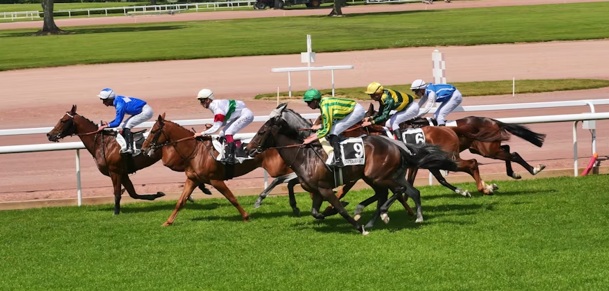 The Preakness field is smaller, and that changes everything almost immediately. Horses don’t face the same level of congestion leaving the gate, which often leads to a cleaner start and fewer early disruptions. Positioning still matters, though it doesn’t feel as chaotic as the Derby’s opening stretch, where traffic can shape the outcome before the race fully settles.
That smaller field also noticeably affects pace. With fewer runners, early speed tends to hold more weight, and front-runners often find it easier to dictate the tempo. Horses that break well can settle into position without being forced wide or pushed back, which gives them a better chance to stay involved late.
The timing between races adds another layer that isn’t always easy to measure. Horses coming out of the Derby have had little time to recover, and that can show in subtle ways. Some maintain their energy and even improve. Others look slightly off, even if their past performances suggest they should contend.
Fresh entrants, on the other hand, can arrive with more energy but less exposure to top competition. That contrast creates tension in the field. It’s rarely obvious which side holds the edge, and that uncertainty becomes part of the betting challenge.
Evaluating Horse Form and Recent Performance
Recent form carries more weight here than reputation alone, especially given the quick turnaround from the Derby. A strong showing in that race can signal readiness, though it doesn’t always translate directly. Sometimes a horse that finished mid-pack still ran a better race than the result suggests, particularly if it handled traffic well.
Looking at how a horse handled pressure becomes important. Did it fade late after setting the pace, or did it stay involved through the stretch despite a difficult trip? Those small details tend to matter more than a simple finishing position, especially in a race like the Preakness where conditions differ.
There’s also value in examining races leading up to the Derby. Horses that skipped it may arrive with a clearer pattern of improvement and a fresher profile. Their form hasn’t been tested in the same way, though that doesn’t always work against them. At times, the decision comes down to which performance feels more reliable. Not flawless, not dominant, just consistent enough to trust when the pace begins to build, and the field starts to compress toward the final stretch.
As those patterns start to take shape, many bettors wanting to bet on Preakness 2026 refine their selections by comparing recent runs and how different horses handled pressure in similar conditions. This can give some insight into how form, recovery time, and race dynamics may come together.
The Role of Pace and Race Positioning
Pace shapes the Preakness in a way that feels more controlled than the Derby, though that control can be deceptive. Early leaders don’t face the same level of pressure from a crowded field, which can allow them to settle into a rhythm more easily and conserve energy for later stages.
That doesn’t mean closers are out of the picture. They still find opportunities, especially if the early fractions move faster than expected or if the leaders begin to tire sooner than anticipated. It just takes a sharper read of how the race might unfold from the start.
Mid-pack runners often sit in the most flexible position. They can respond to changes in pace without being locked into one strategy, which gives their jockeys more options as the race develops. That adaptability can become valuable in the final stretch, where positioning tightens.
Watching how each horse prefers to run gives a clearer picture over time. Some need the lead to stay comfortable. Others settle behind and wait for space to open. The Preakness tends to reward those who find the right spot early and hold it long enough to stay relevant when it matters most.
Track Conditions and Their Impact on Outcomes
Track conditions can alter the race more than expected, even when the field appears evenly matched. A dry surface often favors speed and consistency, while a wet track can introduce uncertainty that shifts expectations in subtle ways.
The weather leading up to race day matters just as much as the conditions during it. A track that changes overnight can catch bettors off guard, especially if earlier races suggest one pattern before shifting under different conditions.
Pedigree sometimes offers clues about how a horse might respond, particularly when dealing with softer ground. Horses with prior experience on similar surfaces may adjust more quickly, though that isn’t always reflected in their odds before the race begins.
There are moments when the track becomes the deciding factor without much warning. It isn’t always obvious in advance, though it tends to reveal itself once the race begins to take shape and certain runners respond differently to the surface.
Where the Race Begins to Make Sense
By the time the horses reach the gate, most decisions have already been made, even if they don’t feel fully settled. Form has been considered. Pace has been imagined. Conditions have been weighed, though not always with certainty.
Then the race starts, and some expectations hold while others drift. A horse that looked strong on paper may struggle to find position, while another moves more freely than expected. That uncertainty stays part of the appeal. It doesn’t resolve neatly, and it isn’t meant to. It leaves just enough behind to carry into the next race.