


When you picture a racehorse charging down the final stretch, you’re seeing months, sometimes years, of careful planning, patient conditioning, and dedicated work. Behind every powerful stride is a system designed to shape both the body and mind of the horse.
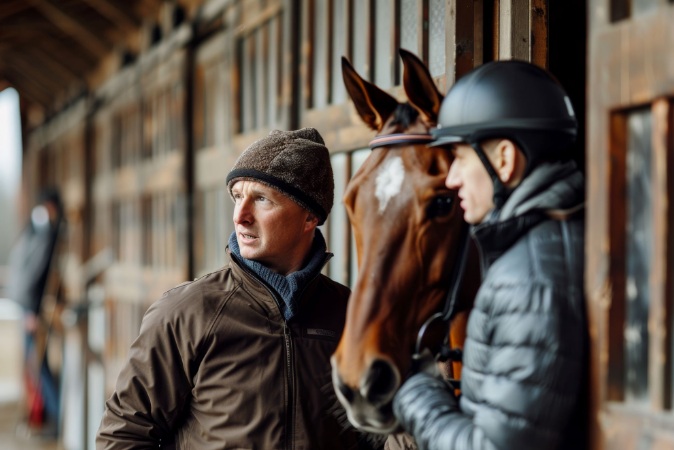 As you look closer at how this process works, you start to realise that successful training blends science, intuition, and a deep respect for equine health and behaviour. In the UK, where racing traditions run deep, getting these elements right can define the difference between a promising athlete and a genuine champion.
Understanding these essentials also helps you appreciate how much is happening long before a horse even sets foot on a race track.
1. Understanding the Foundation of a Young Racehorse
A successful training journey begins with early education. Before you consider speed or stamina, you need to help a young horse understand how to respond calmly to human cues. This includes basic leading skills, confidence-building exercises, and ground training that teaches respect for space and direction.
Many trainers say these early months are some of the most important because this foundation influences every stage that follows. But young horses also come with challenges. One common issue is behavioural uncertainty. Colts and fillies can become anxious, unpredictable, or resistant when they encounter unfamiliar equipment or complex routines.
An experienced horse trainer knows how to guide a young horse through these moments by working gradually, reinforcing positive reactions, and keeping sessions short but meaningful. Their patience helps prevent long-term problems that could slow development later.
2. Breaking and Early Conditioning
Once the basics are in place, you move into breaking and training, a process that introduces saddles, riders, and, later on, breaking-in equipment. This stage requires a calm environment and a well-organised training yard where horses can learn to balance under a rider and adjust to early pressure cues.
Here, the focus shifts to developing gait coordination, steering, and responsiveness. Slow jogging, circles, and gentle transitions help shape the horse’s sense of rhythm.
As training continues, you also begin adapting the training routine to include light trotting, long walking sessions, and even early road work to toughen tendons and ligaments. Each of these steps prepares the horse for the more advanced conditioning that lies ahead.
3. Building Strength, Endurance, and Stamina
As the horse matures, conditioning becomes more structured. Well-designed and thoughtful training programs maintain progression without overwhelming the animal. The goal is to build cardiovascular fitness, increase strength, and improve overall equine physiology.
One common method is interval training, where horses alternate between bursts of faster work and slower recovery periods. This mirrors the metabolic stresses of an actual race and helps them handle metabolic demands more efficiently. Supplementary methods, such as treadmill training or swimming, can help reduce joint strain while still delivering high-value workouts.
On top of that, you’ll also see trainers incorporating equine exercise sessions in controlled spaces like a fitness and therapy centre. These facilities often include water treadmills, solariums, and spa treatments to maintain muscle health. To support these exertions, the horse’s diet is carefully monitored, and targeted feed supplements are added as needed to maintain strength and promote recovery.
4. Using the Right Tools and Techniques
Racehorse training also relies on specialised training equipment and thoughtful training techniques. From protective boots and saddles to lightweight horse accessories, everything serves a purpose. Even simple additions, such as heart-rate monitors, provide valuable insight into real-time workload, allowing trainers to track improvement and adjust their plans.
All these tools work together within a comprehensive training regime that ensures the horse is physically conditioned, mentally calm, and focused on progressing through each step of the training process.
5. Mastering the Mental Side of Training
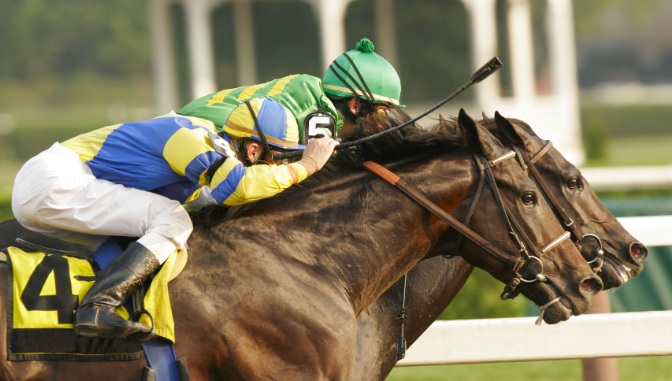 Physical preparation matters, but a horse also needs mental readiness. One of the most important skills involves learning to approach and stand calmly in the starting gate. Many racehorses struggle with gate anxiety, a behaviour often shaped by early mishandling or a stressful starter’s memory from past races.
Trainers use quiet desensitisation techniques to help horses feel safe entering the stall. Short sessions and repetition teach them that the gate is simply another part of the routine. This psychological preparation reduces the risk and helps horses stay focused on race day.
6. Supporting Health Through Modern Care
As training intensifies, health monitoring becomes essential. Routine checks in the racecourse stables and frequent veterinary diagnostics help detect minor issues before they become major setbacks. Modern stables also incorporate strict disease surveillance to protect all horses from contagious illnesses, especially in busy yards where management discipline matters most.
7. Nutrition, Recovery, and Ongoing Evaluation
Nutrition plays a critical role throughout training. A balanced diet tailored to workload supports healthy muscle development, immunity, and recovery. Trainers monitor how a horse digests its feed, reacts to new supplements, and maintains weight during harder phases of work. Over time, these adjustments help improve overall equine health while supporting the demands of racing.
Recovery is equally important. Ice boots, massages, turnout time, and post-work stretching help prevent strain and allow horses to bounce back between sessions. This holistic approach is essential if you want your horse to perform consistently across a busy race program.
The global horserace industry is currently valued at USD$ 127.3 billion (GBP£ 96.6 billion). With so much at stake, maintaining high standards of welfare isn’t just ethical. It’s foundational to sustainable success.
Preparing for Race Day
By the time the horse is ready to compete, everything from conditioning to diet to mental readiness comes together. You now have a horse that understands pace, responds to cues, and moves confidently through training drills. These are the moments that shape lifelong skills and, ultimately, influence race earnings and performance outcomes.
When all these essential elements align, you give your horse the best chance to thrive in the competition. And whether you’re closely following the progress of thoroughbred racehorses or managing young race horses of your own, you’ll appreciate how every step, every session, and every detail contributes to a well-trained athlete ready to take on the thrill of competition.