


On a busy yard, readiness shows in small details before anyone mounts up properly outside. You notice checked girths, clean boots, and horses standing quietly beside calm handlers at the block. Those habits save time later, because small issues can turn into claims or injuries during training.
Training also carries risk, so yards should plan for falls, kicks, and sudden illness in people. A first aid course builds a response that helps staff act quickly and communicate clearly. For riding schools and livery yards, that training sits alongside good horsemanship and clear routines on every day.
Feel And Timing In The Aids
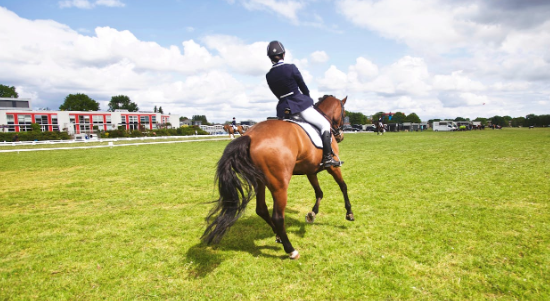 Good riding starts with signals the horse can read the same way, every ride and lesson. Horses learn from release, so timing matters more than strength in most schooling sessions each week. Late release teaches the wrong answer, even when the rider used correct placement and good posture.
Use a simple warm up check that fits flatwork, poles, and hacking with friends. Ride a circle, ask once, then soften within one stride and ride straight for three strides. Repeat the check at trot, then change rein, and stop after two clean tries each side.
Keep the focus on clarity, not on building a stronger squeeze that creates dull responses. Set one focus per ride, and stop after the horse gives two clean attempts. Riders who chase perfect answers often ride past the try and create unnecessary tension in the horse.
Groundwork And Yard Manners
Ground handling shapes the horse’s default behaviour near doors, feed areas, and narrow walkways. Clear personal space prevents crowding, rope burns, and rushed turns near other horses and people. Good manners also protect staff who have less strength, including juniors and older volunteers often.
Start with leading, halting, and turning on a loose rope without pulling or dragging. Then teach yield responses at walk speed, using light pressure and quick release each time. Yield responses make daily care smoother and reduce risk during farrier and vet visits for everyone.
Ask the shoulders to step away, then reward with slack and a quiet pause. Ask the hindquarters to step under, reward early, then finish with quiet standing. Keep sessions short, because long drills can create frustration and rushing in nervous horses often.
Consistency across people matters on yards with shared horses and mixed rider ability levels daily. Write down handling rules, then practise them during quiet hours with the whole team together. A shared standard reduces conflict, and it helps visiting clients follow routines without guessing at all.
Fitness, Recovery, And Rider Balance
Fitness supports learning, because a tired horse cannot organise its body for accurate responses. A simple plan balances schooling, hacking, and rest, so the horse stays willing throughout the week. Riders also need fitness, because weak balance adds strain and confuses clear aids given daily.
Plan weeks, not single sessions, and match work to surface conditions and daylight hours. If the surface changes, adjust pace, because strain can rise quickly without warning on turns. Check saddle fit, hoof balance, and girth comfort, because each affects stride length and straightness.
Add core strength work twice weekly, and include mobility drills for hips and ankles regularly. Better rider stability makes schooling clearer, because the horse receives fewer mixed signals each ride. Use one rest day each week, and protect it, even when calendars feel crowded often.
Keep session goals realistic, and set limits before you start, not when the horse feels tired. Small limits prevent fatigue, and they help horses stay confident when learning new exercises outside. Rotate between schooling, hacking, and groundwork, so the horse stays fresh and mentally settled each week.
Risk Awareness And First Aid Readiness
Falls, kicks, and rope injuries happen fast, so yards need routines that reduce harm. Set clear roles for lessons, hacking groups, and turnout shifts, then keep them visible to everyone. HSE first aid guidance gives a clear checklist for workplace readiness, which fits riding schools and livery yards.
Prevention starts with tidy paths, secure gates, and clear rules about dogs near arenas always. Keep phone signal spots known, and post the full yard address beside the kit for callers. Check kit location weekly, so new staff can find gloves, dressings, and scissors quickly always.
When something happens, follow a simple sequence so the yard stays calm and organised for visitors. Keep bystanders back, and speak in short phrases, so instructions stay clear under pressure always. Record time and symptoms, then monitor breathing and alertness while waiting for professional care to arrive.
Use a simple kit check list that staff can follow without extra training time.
- Store gloves, dressings, and scissors together, so nobody searches while stressed during a real incident.
- Replace used items quickly, and check expiry dates monthly, with one named person responsible always.
- Practise short drills monthly, so new staff learn the steps and language quickly without hesitation.
Records, Feedback, And Consistent Standards
Good trainers notice patterns, then adjust one thing at time and measure the result. A short log stops guesswork, and it reduces disputes about workload and wellbeing later too. Write down minutes ridden, surface, and key exercises, then note behaviour and recovery signs afterwards.
Small notes also help yards schedule farrier, saddle checks, and rest without guesswork each week. They also help owners understand what changed, so they do not repeat the same problem again. Keep entries plain, and agree on a few shared terms for behaviour and effort.
Feedback works best when it is direct, respectful, and tied to what people can see. Say what you saw, describe the risk, then set one change for next time together. Keep language calm, and avoid blame, because tension in people often transfers into handling too.
Welfare codes set basic care standards, so staff can check decisions about turnout, diet, and shelter. Use it to align turnout, diet, shelter, and routine care across owners and staff each season. Consistent welfare support makes training easier, because comfort issues often look like training issues early.
Each skill protects people, protects horses, and keeps progress steady across seasons on mixed yards. Over time, riders see clearer responses, and staff handle problems with less stress overall. Train skills in small steps, keep records, and keep safety routines part of normal yard life.