

Picture a lorry park at half six on a cold morning. A rider is making her bed in the cab of her horsebox – duvet, pillow, the lot. She’s driven four hours for a two-day clinic, her mare is tucked up in a borrowed stable, and she’s laughing about the whole arrangement like sleeping in a lorry is perfectly normal.
In this industry, it is. That’s the gap.
Competitions, training camps, clinics, riding holidays – any visit that stretches past one day means people need somewhere to sleep, and a lot of them end up booking rooms twenty minutes down the road when they’d rather be on site, closer to the horse. Accommodation can turn that need into revenue. But it’s a property decision first and a hospitality decision second, and not every yard has the demand to carry one. Working out whether it does is most of the battle.
Identify the Demand for Equestrian Accommodation
Understand Who Will Stay and Why
 Ask most yard owners who their guests would be and they’ll say riders on holiday. Sometimes. More often it’s messier.
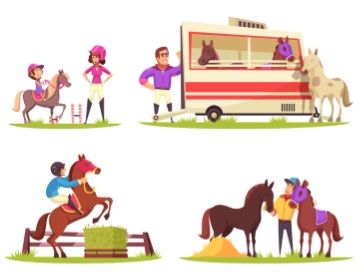
There’s the competitor who needs a bed the night before, a kettle at five, and zero small talk. The clinician who flies in, teaches for three days, and just wants somewhere quiet. Leisure riders on a riding holiday, who want comfort and a bit of pampering – fair enough, it’s their holiday. Families and spectators at shows, including the long-suffering dads who paid for all of it and would like a decent breakfast. And horse owners travelling with their animals, who need a bed for themselves and proper facilities for the horse. In that order. Sometimes the other way round.
Those groups are not buying the same thing. The competitor wants the arena two minutes away, somewhere safe for the saddlery, and no anxiety about mud on the carpet. The holiday guest will pay more, but expects a good shower and dinner recommendations. Same roof. Different product.
So before any money moves, the inbox comes first. Enquiries, the event calendar, what the place down the road offers, how the seasons run. The American Horse Council valued the US equine industry’s contribution at $177 billion in 2023, with 2.2 million jobs attached – a huge number, and also completely useless for telling anyone whether their rooms will fill in February. That bit gets proved locally, or nothing gets built.
Choose the Right Accommodation Model
Compare Accommodation Options
Broadly, four routes. Guest rooms or a small bed-and-breakfast, where a building suits it. Self-catering equestrian cottages for families, groups, and the long-stay crowd. Cabins or glamping units, planning and infrastructure willing. Or plain, functional lodging for trainers and competitors, if the calendar repeats itself often enough to fill it.
The comparison runs on five things: setup cost, who they’re for, privacy, upkeep, and typical length of stay. Rooms over the office suit a riding school dipping a toe in. A venue running multi-day shows every month is doing different maths entirely, and cottages or a purpose-built block start to pencil out.
Ask around the industry and a pattern emerges: people who haven’t done it call conversion the cheap route. People who have tend to go quiet. Old buildings lie. They look solid until the surveyor finds the roof timbers, the damp, and wiring from an era with lower expectations. The smart move is pricing the conversion and the new build before falling in love with either.
Assess Property Suitability and Planning Requirements
Evaluate Buildings, Land, and Infrastructure
Start with an honest walk-round. Is the building actually sound enough for people to sleep in? Water, wastewater, electrics, heating, internet, parking, emergency access – the unglamorous list. Guests forgive a lot. A cold room and a septic tank that can’t cope are not on the list. Then the yard itself: will guests and their cars get under the feet of mucking out, feed deliveries, horseboxes swinging in? If the accommodation obstructs the horses, the idea is backwards.
Now the part that bites. A stable block is not a house waiting to happen. Putting guests in one usually means planning approval, structural work, sanitation, insulation, fire protection, separate access – plus accessibility and licensing rules that change depending on where the property sits. One venue, names withheld, got as far as drawing up the full conversion before anyone thought to ask the planners. The answer was no. The drawings are apparently still in a drawer somewhere. The planning authority and proper professionals come before purchases and hammers, not after.
For anyone assessing new sites or extra land, it helps to compare suitable accommodation types alongside access, infrastructure, planning constraints, and how guest facilities would fit next to the equestrian operation. Research platforms like Realmo are genuinely handy for finding equestrian real estate and poking at location factors, but a pretty listing says nothing about what the planners will allow. Nothing.
Design Accommodation Around Riders, Visitors, and Horses
Integrate Hospitality with Equine Operations
Riders arrive with stuff. Saddles, boots, wet rugs, muddy everything – and often a dog that is also muddy everything. So what matters is a drying room, secure tack storage, somewhere to change, and parking that fits a horsebox without a nine-point turn. Nobody remembers the scatter cushions. They remember whether their gear dried overnight. The smell of a wet rug in a warm room stays with everyone, by the way. Ventilation is not optional.
Then movement. Clear routes between rooms, stables, the arena, and parking, so guests aren’t drifting through the working yard – and kept well away from machinery, the muck heap, and staff-only corners. Every yard has one ancient pony who rules the place and will absolutely mug a stranger for polos. The staff know the one. The guests don’t.
Buried in here is a big decision: housing people, or people and their horses? Visiting horses are a different undertaking altogether – stabling, water, feed storage, turnout, an emergency vet contact, biosecurity, extra staffing. Horse welfare can’t be improvised on a busy weekend.
Either way, the rules go in writing: stable access, feeding, handling, restricted areas. The guest who hand-feeds a laminitic pony means well. The vet bill won’t care.
Calculate Development Costs and Revenue Potential
Build a Realistic Financial Model
Money, then. Costs first: construction or conversion, furnishing, utility connections, professional fees, insurance, setup. Revenue second: occupancy, nightly rate, length of stay, season. All four need honest numbers. Honest, not hopeful.
Some made-up numbers – clearly made up, so nobody quotes them back. Four rooms, available 300 nights a year: 1,200 room nights. At a cautious 40% occupancy, 480 sell. At £95 a night, that’s about £45,600 gross. Lovely, until cleaning, laundry, utilities, breakfasts, booking commissions, marketing, and maintenance eat half of it. What’s left is maybe £22,000 before repaying a penny of the build – and if the conversion cost £120,000, that’s five years or more to break even. Real numbers will differ. The shape of the calculation won’t.
Because gross is never profit. Cancellations happen. Quiet months happen. Boilers pick the busiest weekend of the year to die.
Three scenarios – conservative, expected, optimistic – and the conservative one gets built first. If that version still covers costs, the other two are a bonus rather than a lifeline. Extra income from lessons, clinics, or event packages is real, but it gets its own line in the spreadsheet. It’s not a rescue plan for a weak room business.
Market the Accommodation and Build Partnerships
Reach Customers Through Equestrian Networks
The booking page does the heavy lifting: honest photos, clear prices, facilities listed plainly, policies in black and white. Riders want specifics – horse facilities, trailer access, whether they can bring their own – so the smart venues sell the whole experience, not just the room. A photo of the stables will outconvert a photo of the cushions. There’s no hard data for that. Anyone who has watched a season of bookings will stand by it anyway.
Then it’s a matter of going where the horse world already gathers: riding clubs, event organisers, trainers, local tourism channels. Competition-weekend or horse riding holiday packages work where the demand genuinely exists, and partnerships with nearby attractions widen the net. Tracking where bookings actually come from matters, though. One venue was convinced its Instagram was doing the work. Turned out to be a single line in a show schedule. It stopped posting for a month and nothing changed.
Manage Operations, Safety, and Compliance
Overnight guests add a second business on top of the first: bookings, arrivals, cleaning, maintenance, messages, the odd complaint. All of it needs processes rather than goodwill. It’s the paperwork nobody photographs for Instagram, and it’s what decides whether guests come back.
The legal side – insurance, fire safety, accessibility, tax, licensing – changes with location and what’s on offer, so professional advice beats forum advice every time. Insurance deserves a review before the first guest sleeps over, and definitely before the first visiting horse sets foot on the place. Plenty of operators assume their existing policy stretches that far. Most have never checked.
Responsibilities go in writing: guest safety, horse care, staff supervision, emergency response. Emergency contacts, maintenance records, safety instructions, stable-access rules. Boring paperwork, right up until the day it isn’t. And the balance needs watching – accommodation should never quietly become the thing that breaks the yard.
Develop a Practical Implementation Plan
Move from Feasibility to Launch
The order is straightforward. Validate demand from enquiries, the event schedule, competitors, and what’s already available locally. Pick the audience and the model that fits them. Confirm planning, building condition, utilities, access, costs. Build the projections, then stress the conservative ones.
Phased launches work where the property allows. Start with the rooms already there and expand when the numbers have proven themselves – provided phase one stands on its own, compliant and viable even if phase two never happens. Provided. That word does a lot of work in this paragraph.
Then measure what matters: occupancy, average nightly rate, revenue per available room, guest satisfaction, repeat bookings, running costs, and whatever extra guests spend on riding while they’re there.
Conclusion: Build Accommodation Around a Clear Business Case
The businesses that get this right never started with floor plans. They started with someone like that rider in the horsebox – a real person, a real need, a duvet in a cab. Accommodation diversifies an equestrian business when it serves demand that can actually be named, and the decisions after that run in order: demand, model, property, planning, money, operations, horse welfare.
So demand and feasibility first, and a realistic plan built around both. Done carefully, accommodation extends what a business already does well. What it won’t do is guarantee a return – nothing does – which is exactly why the homework comes first.
And for anyone who does go ahead: put a kettle somewhere guests can reach it at five in the morning. It’ll show up in every review they ever get.