


An equestrian office serves several purposes. It may be where liveries ask questions, new clients discuss services, staff organize schedules, and important paperwork is stored. At a busy yard, it can also become the place where riding equipment, muddy boots, coats, mugs, and miscellaneous supplies gradually accumulate.
A professional office doesn’t need to resemble a corporate workspace or feel disconnected from its equestrian surroundings. The aim is to create an organized, comfortable room that supports the day-to-day running of the yard while making a good impression on visitors. A handful of thoughtful changes can often achieve that without requiring a complete renovation.
Start by Controlling Everyday Clutter
Clutter can quickly make even a well-decorated office look disorganized. Start with the items that regularly enter the room and give each one a designated place.
Paperwork should be particularly easy to manage. Instead of leaving invoices, forms, schedules, and notes on the desk, use clearly labeled folders, trays, or filing cabinets. Keep frequently used documents accessible, and store older records elsewhere.
A simple organization system might include:
- A filing area for business paperwork
- Separate storage for stationery and office supplies
- Hooks for coats and outdoor clothing
- A noticeboard for information that changes regularly
- Closed storage for items that don’t need to remain visible
- A dedicated space for keys
Give Visitors Somewhere Comfortable to Sit
 If the office is used for meetings with liveries, suppliers, staff, or prospective clients, seating deserves more thought than an old chair placed beside the desk.
Create a small visitor area if space permits. Two comfortable chairs and a small table may be enough. Keep the route between the entrance and seating clear, particularly when visitors may arrive wearing outdoor footwear or carrying riding equipment.
Terrys specializes in soft furnishings and window treatments, two details that can help make a functional workspace feel more considered. However, fabrics used in an equestrian setting should also suit the realities of the environment. Materials that are difficult to maintain may be less practical in a room that sees regular traffic from the yard.
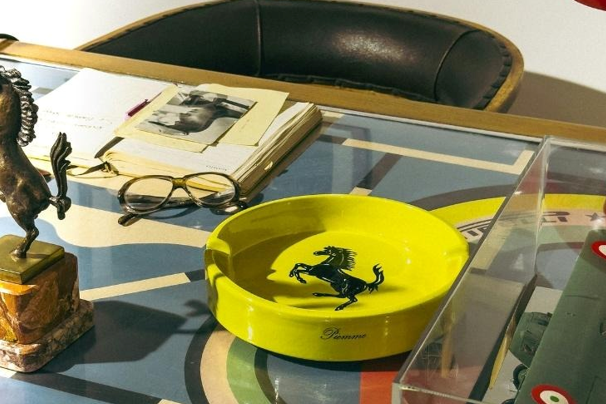
Small decorative details can add character without making the office feel overly themed. A framed photograph from the yard, competition rosettes displayed neatly, or a few well-chosen equestrian prints can create a connection with the business without covering every surface.
Pay Attention to the Windows
Bare windows may make the room look unfinished, while unsuitable coverings can block useful daylight or cause screen glare.
Consider when direct sunlight enters the room, whether privacy is needed, and whether computer screens sit near the windows. Then choose a treatment that meets those needs.
Curtains can soften an office that otherwise has hard flooring, desks, filing cabinets, and storage. They also provide an opportunity to introduce a restrained color or pattern.
For unusually sized windows, made-to-measure options may fit more neatly than trying to adapt a standard size. Businesses comparing these options can browse designs from Terrys at terrysfabrics.co.uk when considering eyelet curtains tailored to specific window measurements.
Whatever treatment is chosen, avoid selecting it purely for appearance. An equestrian office is a working environment, so window coverings should be easy to use and suit the room’s maintenance needs.
Improve Lighting for Different Tasks
Rather than relying entirely on one central ceiling light, consider where specific tasks happen. A desk lamp can provide focused light for paperwork, while general overhead lighting keeps the rest of the room usable.
Pay attention to computer positioning as well. A screen directly opposite a bright window may create distracting reflections, while sitting with strong daylight immediately behind the monitor can be uncomfortable. Moving the desk slightly or adjusting the window treatment may solve the problem without changing the lighting itself.
The aim should be a workspace where staff can comfortably read documents, use screens, meet visitors, and handle administrative tasks at different times of day.
Make Practical Furniture Choices
Before buying anything new, consider whether you can improve the existing layout. Keep the main desk reasonably clear and ensure frequently used equipment is easy to reach. Place printers, folders, chargers, and stationery logically rather than leaving them wherever there’s space.
Closed cabinets can be particularly useful because they reduce visual clutter. Open shelves work well for attractive or frequently used items, but they can quickly look untidy when filled with unrelated supplies.
Flooring matters too. If people regularly walk directly into the office from the yard, easy-to-maintain surfaces and a substantial entrance mat are more practical than delicate finishes.
Think about furniture placement from a visitor’s perspective. Someone entering for the first time should immediately know where to sit and who to speak to, rather than having to navigate around storage boxes or equipment.
Keep the Equestrian Character Without Overdoing It
An equestrian office doesn’t need to hide its identity. In fact, a few details connected to the yard can make the space feel distinctive and established.
The key is editing. Instead of displaying every photograph, trophy, rosette, and piece of memorabilia, choose a smaller selection and present it deliberately. Frames in similar styles can bring photographs together, while a dedicated shelf can keep awards organized.
Use color in the same way. If the yard has recognizable colors, introducing them subtly through artwork, accessories, or textiles can create continuity without turning the office into a heavily branded space.
Regular maintenance is equally important. Wipe down surfaces, remove outdated notices, replace damaged accessories, and periodically clear paperwork that no longer needs to be kept nearby. A modest, clean, organized office will generally feel more professional than an elaborate room that isn’t maintained.
Conclusion
Creating a more professional equestrian office doesn’t necessarily require new furniture, expensive decorating work, or major structural changes. Organization, practical storage, appropriate lighting, comfortable seating, and well-chosen windows can change how the space functions and how visitors perceive it.
Start with the problems that affect everyday use. Clear clutter, improve the layout, give important documents permanent storage, and make sure visitors have somewhere appropriate to sit. Decorative decisions can then support those practical improvements rather than competing with them.
The most effective equestrian offices still feel connected to the yard outside. They simply present that character in a more organized way, creating a workspace that works for staff and welcomes everyone who walks through the door.