

In the world of equestrianism, focus, adaptability and self-control are central to success both in and out of the saddle. Riding is often associated with intense concentration and quick decision-making, but few suspect that another pastime, like poker games, can challenge the mind of riders in remarkably similar ways. Whether enjoyed online or around a real-life table, poker offers riders an alternative arena to test their mental strength, risk management skills and ability to stay calm under pressure. This unique cross-over demonstrates that strategic card games can benefit riders looking to sharpen skills essential for the stable and the showground alike.
Mental stamina: riding meets poker
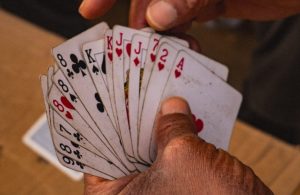 Riders are no strangers to long training sessions and the mental fortitude required to navigate competitions. The art of staying focused over several hours in the saddle, reading the subtle signals of a horse, and reacting to unpredictable situations echoes the mental stamina needed in poker. In both disciplines, distractions and fatigue can lead to costly mistakes. Poker teaches players to remain present, even when the environment grows tense or the outcome seems uncertain. Engaging with this card game outside the arena can help equestrians develop resilience and patience, traits that pay dividends during grueling riding events.
Beyond physical cues, riders often internalise their stress and excitement, channeling this emotional energy into clear decision-making. Similarly, poker requires careful control over one’s emotions and reactions: what’s known informally as a “poker face.” Learning to mask frustration or triumph at the table becomes an exercise in self-mastery, which can directly translate to the composed demeanor sought in equestrian competition. These transferable skills mean that poker can be more than just a pastime; it becomes subtle training for the mind.
Reading opponents and managing uncertainty
One of the key elements shared between riding and poker is the need to interpret subtle signals. Riders spend years developing an intuition for the moods and intentions of their horses. Likewise, poker players scan for minute gestures, betting patterns and changes in behavior from their opponents. Both disciplines reward the ability to weigh incomplete information and anticipate what’s coming next, whether it’s a horse’s next move or an opponent’s hidden hand. This focus on observation sharpens a rider’s overall awareness, and regular participation in poker can heighten this ability.
Uncertainty is inevitable in both arenas. Variables like weather, course setup and unexpected spooks challenge a rider’s ability to think on the fly. In poker, luck and randomness create a playing field where not every outcome can be controlled. Riders who test themselves against the uncertainties of the poker table come to value flexibility and the capacity to recover from setbacks: skills invaluable in equestrian sport. These parallel challenges encourage a strategic mindset, reinforcing the benefits of looking beyond physical training when pursuing competitive improvement.
Risk, reward and staying in control
Every ride, and every hand of poker, involves assessing risk. Riders constantly evaluate which lines to take and how much to push their horses, just as poker players calculate pot odds and gauge when to fold. Learning to balance risk with potential reward in one domain naturally informs the other. Practicing these decisions in a low-stakes card game can make it easier to keep calm and collected when the pressure mounts in the ring. Poker teaches that sometimes, judicious restraint wins over reckless action: an insight equally useful for equestrians managing high-spirited mounts or tackling technical courses.
Another noteworthy parallel is the notion of self-control. Riders understand the consequences of overreacting to a setback or letting nerves dictate behavior. In poker, emotional impulsiveness, sometimes called “tilt”, can quickly turn a winning streak into a losing one. By engaging with poker games, riders develop coping mechanisms for disappointment and learn the importance of making every decision thoughtfully, regardless of recent events. These skills help build the mental discipline needed for success in both card play and riding.
Community, social skills and enjoyment beyond the stable
While equestrianism often revolves around personal goals, shared experiences are also a vital part of equine culture. Poker games offer an opportunity for riders to come together in a relaxed setting, strengthening social bonds and encouraging friendly competition. This communal aspect enhances communication and gives riders a chance to practice interacting with others in a low-pressure, enjoyable environment. The conversational skills developed at a poker table can translate to better teamwork and collaboration at the yard or during show days.
For many riders, finding a recreational activity that is accessible regardless of weather or riding condition is valuable. Poker provides mental stimulation and personal development, all without needing to leave home or the livery yard. By embracing new challenges and diversifying their interests, riders cultivate a well-rounded mindset, making them more adaptable both on horseback and off. Exploring poker as part of a balanced lifestyle supports personal growth and can add an enjoyable new dimension to riding life.