


We tend to think of riding as a skill for the horse, but it is also physical activity for the rider. So whether you are schooling in an arena or riding cross-country, at a competition or spending hours completing tasks around a yard, clothing can have considerable impact on comfort.
Another very important feature to think about is breathability. Sportswear that allows body heat and moisture to escape also helps reduce the impact of longer riding sessions. This is particularly relevant as equestrian attire needs to be practical yet comfortable, weatherproof and allow for plenty of movement.
What Does Breathable Sportswear Mean?
Breathable clothing means better air and moisture vapour movement through the fabric compared to other materials that trap heat and perspiration close to the skin. This does not just mean that the textile is light or thin.
Certain performance fabrics are specially designed to assist with moisture management (water that is created by your body when moving). Which can help eliminate clothing that feels damp/clammy as a rider warms up.
Breathability here is distinct from waterproofing. Breathability is the outcome of a garment allowing some moisture vapour to escape, whereas waterproofness offers protection from rain. That distinction is helpful when selecting clothing for outdoor riding.
How Breathable Clothing Can Benefit Riders
The activity of a rider can fluctuate greatly during one session. In this case, a relatively little exertion might be classed as a relaxed ride whilst jumping, schooling, hacking or competition would increase the physical work effort.
The more active you are, though, the more heat and sweat your body produces. Moisture-retaining clothing can become sweaty, and with longer sessions that changes into discomfort.
Breathability will help with this moisture. Appropriate fabrics can help pull sweat away from the body where it will otherwise remain if localized, towards the outside layer of fabric in order that its moisture evaporates more readily.
This helps create a more pleasant ride, especially in warm weather or when engaging in more challenging activities.
Breathability and Freedom of Movement
Riding clothing has to do more than manage moisture in comfort. It needs to move naturally with the rider too.
Riding works the arms, shoulders, trunk and legs in repetitive motion. These movements might feel awkward with clothing which hinders you too badly. Loose clothes can lead to other issues, especially if it snags on equipment or becomes a distraction.
This is modern sportswear and the way fabric construction, stretch and design of garment converges to scaffolding movement. When you actually have to buy clothes even for horseback riding, you can think of those same ideas.
Your intent shouldn’t be to only don the latest specialist athletic colors for every mac. Instead, riders can search for functional pieces of clothing that give enough mobility and comfort for the action they are doing.
Why Sports Clothes Are Mounting Off The Saddle
Rarely does a day at the livery yard involve a solo ride.
Some horse owners spend long hours grooming and mucking out as well as preparing tack, filling hay nets and walking to and fro between the different areas of the yard turning horses out or bringing them in. Those activities can take as much of the motion like in a single riding session.
This is where breathable clothes have exceptional value. A rider might start the day chilly while doing stable chores before warming up by hours of work in those chaps.
Comfortable all day longThe right moisture-wicking and comfy gear is easier to wear around your homestead than if you were catching the cold shoulder only while on top of a horse.
Breathability Versus Weather Protection
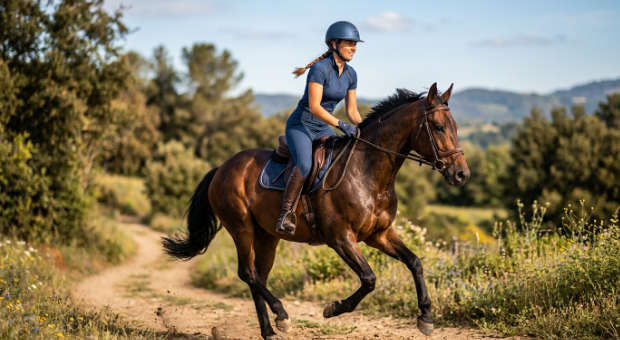
For the UK’s capricious climate, true separation between one condition or the next is rarely something riders need to consider. A cold start can see warming during the day, wind and rain can arrive from nowhere, too.
Any article of clothing that is breathable should therefore be another layer in a bigger layering scheme.
A moisture wicking base layer will also help keep things close to the skin manageable. A mid layer can add warmth while an outer layer adds protection from wind or rain. Riders can add or remove layers during the day, depending on the conditions.
That’s much more practical than going with a single really heavy layer.
And of course, just because a piece is highly breathable does not mean it will work in wet or windy weather either! Riders need to account for the total weather environment as well as how active they feel.
What Should Riders Look For?
There are some practical factors to consider when selecting sportswear for use in riding or the yard.
Fabric: Choose fabric that is specifically designed to control moisture and airflow.
Fit: Garments must enable organic motion without being too baggy.
Lightweight: Lightweight fabrics are ideal for days when riders expect to be active.
Ventilation: Mesh sections or ventilation panels are useful for air circulation
Durability: Yard environments can be worn on clothes, with dust, mud and equipment hammering them as well as the back-to-back washes so it needs to last.
Easy care : Riding clothing gets dirt easily or sweaty. Garments that are easy to wash and wear can also be especially handy.
These principles are intuitively partisan across a good deal of modern day recreation apparel. Sportswear suppliers like USportsGear will largely push performance-based clothing that contains attributes such as breathable clothes, moisture control and mobility for motion executed sports.
Choosing Clothing by Season
Spring and Summer
On hotter days, breathable layers can be used to control heat and perspiration. Heavy, heat-trapping materials may not be as comfortable as a breathable shirt.
Sun exposure must also be taken into account because when one is a long time.
Autumn
Autumn conditions can change quickly. A moisture transferring base layer trimmed with a lightweight insulating layer too as or incorporated outerwear jacket might too be good for riders likely.
Winter
Winter doesn’t have to mean putting on the heaviest clothes they can get their hands on. You have more flexibility there because as riders get hotter, they can strip off a layer or two.
Layering with a base layer that breathes and insulation and weather protection can be more versatile than just one big piece of clothing.
Common Clothing Mistakes Riders Make
Selecting Clothes Based On Looks Alone Naturally, personal style is an important aspect, but when one is actively riding comfort and practicality should come first.
I was thinking that if the fabric is thin, it must also be breathable. More important than thickness alone is its fabric construction and moisture-management performance.
Others also wear too many heavy layers at the start of a session and become overheated when their effort spikes.
Clothing should be chosen based on the whole day’s plan. A person who spends 6 hours at a yard has more differences to make allowance for than someone who rides for 30 minutes and comes straight home.
Practical Tips for Staying Comfortable
Here are a few habits we can take into consideration to make sure we wear the right clothes:
- Look for weather before heading to the garden.
- Think about how active you expect to be and the temperature as well.
- Use layers that you can peel off as easily as you add.
- Select clothing which allows you to move freely.
- In the long run away from quite heavy materials for heavier workout.
- After training for long periods, change out of soaked garments.
- Care instructions ensure that you’re still getting the performance out of your fabrics.
Finai Thoughts
While proper breathable sportswear can be a key part of any rider’s approach to comfort. Appropriate clothes can make riding and time in the yard more comfortable by helping to control moisture and limiting overheating while still permitting natural motion.
But, breathability is only one aspect of the equation. The fit, flexibility, longevity, insulation and weather resistance are also factors that should be taken into consideration by riders.
In the end, preparing well to ride means more than just saddles and boots. The attire worn during the day holds significance as well. Both their time in the saddle, However, most riders benefit from appropriate layers of clothing suited to both the weather and activity type or combine a day working around the yard with tending your horse.