

In the United States, equine care and ranch management prioritize consistent protection from extreme weather, structural stability, and animal safety. A properly designed horse runin shed provides year-round weather protection, reduces stress in horses, and supports healthy grazing and turnout routines. Portable skidmount models offer flexibility for pasture rotation, facility expansion, and site adjustment without permanent construction. This article covers structural design, safety standards, performance factors, and best practices for equine runin shelters.
Core Purpose and Equine Applications
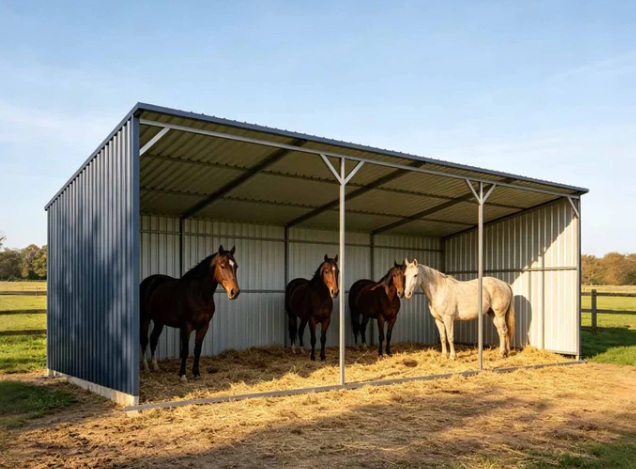 A horse runin shed is an openfront, portable shelter designed for freechoice access by horses and other livestock.
- Continuous protection from sun, wind, rain, and snow during turnout
- Secure space for nursing, medical care, and monitoring of young or vulnerable animals
- Flexible relocation to support pasture rotation and mud management
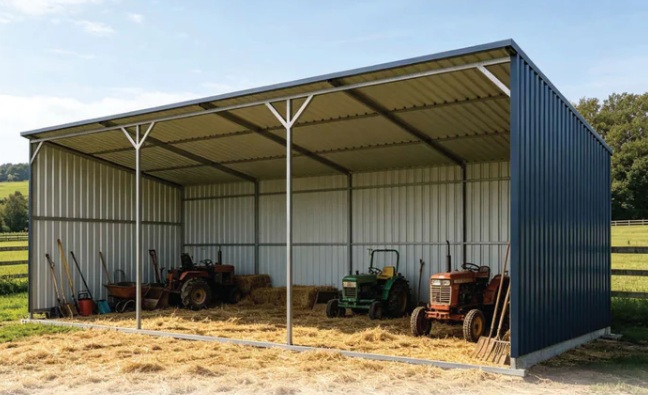
- Multiuse structure for equipment storage or temporary hay storage
- Reduced reliance on permanent barn space for daily turnout
The TMGMSK1227 model provides a large, open interior to accommodate multiple horses with natural movement.
Importance of Safety and Equine Wellbeing
Stable, welldesigned shelters directly improve equine health and handler safety. Exposure to harsh weather increases risk of illness, injury, and stress. A reliable runin shelter supports natural behavior, reduces anxiety, and lowers the chance of barnrelated accidents. Consistent protection supports overall herd health and operational efficiency.
Technical Foundation and Structural Specifications
Key design features support safe, longterm equine use.
- Galvanized steel frame and corrugated metal panels for corrosion resistance
- Skidmount square tube base with central support for portability and rigidity
- Open front design for unobstructed entry, exit, and visibility
- Bolttogether assembly with no welding required for secure field installation
- Sloped roof for rapid water runoff and reduced snow loading
- Reinforced cable attachment points for added stability
These elements create a durable structure suited for rural and ranch environments.
 Factors Affecting Performance and Longevity
- Level, welldrained ground to prevent moisture buildup and shifting
- Proper anchoring with rebar stakes to resist wind and animal movement
- Regular inspection of bolts, frame connections, and metal panels
- Clearance from fencing, trees, and hightraffic areas to avoid injury
- Optional plywood lining for improved insulation and structural integrity
Safety Best Practices for Equine Facilities
- Position the shelter with the open front away from prevailing winds
- Maintain a clear interior free of sharp edges, protruding fasteners, or obstacles
- Anchor securely using all provided rebar ground stakes
- Inspect the roof and frame after severe weather for damage or shifting
- Provide adequate space per animal to prevent crowding and injury
- Keep surrounding areas graded to avoid mud, puddles, and slipping hazards
Advantages and Limitations
Advantages
- Portable skid design allows relocation without heavy equipment
- Galvanized materials resist rust and wear in outdoor conditions
- Simple bolt assembly reduces setup time and onsite work
- Open layout supports natural equine behavior and ventilation
- Multiuse functionality for livestock care and farm storage
Limitations
- Requires level ground for stable placement
- Anchoring is essential in highwind regions
- Regular inspections are needed to maintain structural safety
RealWorld Equine Example
A horse ranch in Kentucky implemented a 12’ x 27’ skidmount runin shelter across three rotational pastures. The unit was moved monthly to reduce mud buildup and improve pasture health. The open front allowed free horse access, while the galvanized structure withstood seasonal rain and temperature changes. The shelter reduced coldstress incidents and supported consistent turnout schedules.
Conclusion and Industry Trends
Horse runin shelters are essential for modern, humane equine management in the United States. Future trends include enhanced corrosion protection, improved portability designs, integrated ventilation features, and modular components for simplified maintenance. These advances will continue to strengthen safety, flexibility, and animal welfare for equine operations nationwide.