


The dream of having horses at home is one of quiet rewards and peaceful, daily connection. It’s the simple pleasure of stepping outside to watch them graze or hearing them settle in the stable for the night. This lifestyle becomes deeply fulfilling when your property is thoughtfully designed, allowing you to spend more quality time with your animals and less time on logistical challenges.
A 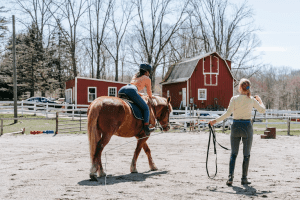 truly horse-friendly home requires much more than just open acreage. Horses need safe environments, appropriate shelter, and facilities that allow for convenient, efficient care. The best equestrian properties are those where every feature is designed with the well-being of both the horse and the owner in mind.
Safe Layout and Practical Design
A simple, practical layout is the cornerstone of efficient daily horse care. When paddocks, stables, and storage areas are logically arranged, owners save significant time and effort during feeding, mucking out, and grooming. Short, direct paths between these zones make the daily routine smoother and less physically demanding.
Maintaining distinct, secure areas is also vital for safety. Horses should be able to move calmly between pasture and stable through wide, unobstructed openings, which helps keep handling stress-free. This thoughtful design is complemented by good fencing; strong wooden or post-and-rail boundaries are essential to keep horses secure and prevent them from wandering onto roads or neighbouring land.
Finally, a functional layout must account for vehicles and equipment. Owners regularly use trailers, tractors, and receive deliveries. Wide driveways and ample turning space allow for easy manoeuvring without disturbing the horses or creating hazards.
Seeing how these principles are applied in real-world properties can be incredibly helpful. For those researching potential layouts, exploring listings on a site like Montgomery Homes offers a clear view of how Australian homes integrate stables, pastures, and riding spaces into a cohesive and practical design.
Adequate Land and Pasture Space
Sufficient, well-managed land is fundamental to equine health. Horses are natural grazers designed to walk and forage for hours. Generous pastures allow for this essential movement and provide the foundation of a healthy diet. High-quality fresh grass delivers vital nutrients that support muscle development and digestion, and can significantly complement or reduce the need for additional hay and grain.
Protecting this resource requires good pasture management. Implementing a rotation system allows grazed areas to recover, keeping the land productive and reducing soil erosion. Regular maintenance, such as mowing and the removal of harmful weeds, further ensures the pasture remains a safe and nutritious environment for your horses.
Well Designed Stables and Shelter
The design of your stable directly impacts your horse’s comfort and safety. Each stall must be spacious enough for a horse to turn around, lie down, and stand with ease, preventing stress and injury. Good ventilation is equally crucial; ample windows, vents, and open doors encourage airflow, reducing dust, ammonia, and moisture that can lead to respiratory issues.
Comfort inside the stall comes from clean, appropriate bedding, such as straw or wood shavings. A regular mucking-out routine keeps the environment dry, hygienic, and odour-free. The stable’s location also plays a key role in daily management.
Placing stables close to the house makes it easier to conduct regular health checks, while situating water and feed stores nearby streamlines chores. Furthermore, fire safety must be a priority; storing hay and bedding in a separate, dedicated structure significantly reduces the risk to your animals and property.
Space for Riding and Training
The ability to train at home is a significant advantage of an equestrian property. Whether it’s a formal riding arena, a dedicated training paddock, or a well-maintained open field, having a safe, familiar space encourages consistent work with your horse.
The real value of an on-property training area lies in the consistency it brings to a horse’s routine. Having immediate access allows for regular riding—from short, daily sessions to more structured training—that strengthens both horse and rider. The surface itself is a critical safety feature. A flat, even area with footing that is firm yet forgiving, such as sand or specialised arena surfacing, allows horses to move comfortably and reduces the risk of injury.
For young or inexperienced horses, a quiet training space at home is invaluable. The calm, familiar surroundings minimise distractions, allowing them to focus on basic commands and build confidence as they learn. Good lighting around the arena further enhances safety and usability, enabling productive sessions even in the early mornings or evenings.
Easy Access to Water and Feed Storage
Reliable access to fresh, clean water is non-negotiable for horse health. Horses consume significant amounts daily, especially in warm weather or after exertion. Therefore, water troughs must be kept clean and be easily accessible in all paddocks and stable areas.
Automatic waterers are an excellent investment, ensuring troughs are consistently refilled and reducing the daily workload for owners. Proper feed storage is equally important. Hay, grain, and supplements must be kept dry and secure from pests to maintain their nutritional value and freshness.
A well-organised feed room with shelves, bins, and labelled containers streamlines the daily routine, making it quick and efficient to prepare meals, especially when the storage area is conveniently located near the stables.
Location and Nearby Riding Opportunities
The character of the surrounding area greatly enhances the experience of horse ownership. A quiet, rural location provides a calm, low-stress environment for your horses, with less traffic significantly reducing the risk of accidents near your property.
Beyond the boundaries of your land, accessible riding routes offer invaluable freedom. Whether it’s a network of bridle paths, quiet country lanes, or farm tracks, having safe places to hack out directly from home adds a rich dimension to your riding.
Finally, the proximity of local equestrian services is a practical necessity. Having trusted vets, farriers, and feed suppliers nearby saves considerable time and ensures your horses receive prompt care when needed.
Final Words
Living in a home designed for horses fosters a deep connection to your animals and the natural world. When your property is laid out with care and intention, horses become a seamless and joyful part of your daily life. A well-planned equestrian property transforms horse ownership from a series of tasks into an enjoyable and deeply rewarding lifestyle.