


The journey of a racehorse, from a foal in a quiet paddock to a grandstand contender, is a story of patience, skill, and instinct. Across Kentucky, Newmarket, and other historic racing regions, breeders, trainers, and owners meticulously shape the futures of these young horses. Every gallop, every stride, and even every temperamental quirk can influence the path to the winner’s circle.
Increasingly, modern racing intersects with technology. Transactions for promising foals are smoother thanks to trusted payment options to their players such as PayPal, while early race data now informs not only trainers’ decisions but also public interest and digital handicapping platforms.
Breeding and early selection: Identifying potential champions
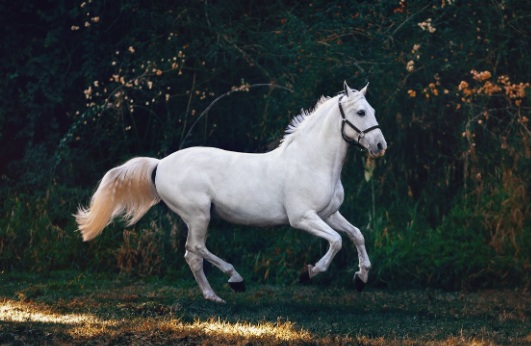 Breeding is both science and art. Successful breeders analyse bloodlines to find the right combination of speed, endurance, and mental resilience. A stallion may provide explosive sprinting ability, while a mare contributes calmness and stamina. Physical conformation is also critical: straight, strong legs, a balanced frame, and smooth movement indicate potential to handle months of rigorous training.
Temperament often proves equally decisive. Foals that are curious and responsive tend to absorb training more effectively, while nervous or stubborn foals may require more intensive handling. Small observational exercises, such as watching a foal navigate poles or respond to minimal guidance, provide clues about potential adaptability and trainability. In practice, breeders and trainers evaluate early foals by combining multiple traits naturally, like this:
- Pedigree performance: Examining the racing record of parents and siblings.
- Physical soundness: Observing build, movement, and joint health.
- Behavioural temperament: Testing curiosity, social skills, and response to stress.
These traits are rarely assessed in isolation. For instance, a foal with excellent lineage but poor temperament may be less promising than one with a slightly weaker pedigree but high adaptability. Subtle observations—like how a foal reacts to a sudden noise in the paddock—can signal future challenges or advantages. Early showcases and informal trials allow buyers and trainers to see movement, behaviour, and presence, giving a more complete picture. In this way, selection is a dynamic blend of measurable metrics and human intuition, forming the very foundation of what may eventually become a champion.
Breaking and initial training
Breaking a horse is often misunderstood—it’s not about domination but about careful introduction to handling. Trainers begin with grooming, leading, and wearing a saddle. Timing is crucial; starting too early can instil fear, while starting too late can complicate learning. Early training focuses on rhythm, balance, and trust, with groundwork exercises such as lunging, pole work, and short trot sessions. These exercises serve multiple purposes: they teach obedience, strengthen muscles, and build confidence.
Challenges abound: some foals resist bridling, others spook at sudden sounds, and some require adapted routines due to structural differences. Trainers often guide this process using subtle observations and a flexible routine, emphasising consistency over intensity. The development process can be broken down naturally, as trainers often consider a few interrelated areas together:
- Gradual introduction to tack and harnesses, ensuring the foal does not become fearful.
- Exposure to new surfaces, sounds, and environments, helping build adaptability.
- Short, repetitive sessions, which reinforce learning without causing fatigue.
Tables are also useful here to visualise progress. For example, trainers may track early indicators of readiness:
| Training Indicator | Observation Purpose | Typical Outcome |
| Responsiveness to reins | Measures learning and trust | Confident handling |
| Stride consistency | Evaluates balance and muscle strength | Smooth, rhythmical movement |
| Recovery time after exertion | Monitors conditioning and stamina | Determines readiness for longer sessions |
By integrating both qualitative observation and quantitative tracking, trainers create a holistic approach. Early rapport between horse and trainer becomes evident in these sessions, and horses that develop confidence and trust at this stage are much more likely to thrive as they transition to formal racing.
Transitioning to professional racing and early race planning
As horses mature, conditioning shifts from general strength to race-specific preparation. Trainers balance stamina-building routines with recovery periods. Overexertion can lead to injury, while under-conditioning risks poor performance. Controlled gallops, interval training, and monitored diets become central.
Race planning is highly strategic. Young horses often begin with shorter, lower-stakes races, allowing experience without undue pressure. Trainers select entries based on physical attributes and training performance. For example, a foal demonstrating strong sprinting ability may debut in a five-furlong contest, while a more enduring horse may tackle middle-distance races. Track conditions, weather, and competition levels all inform these decisions.
A simple table illustrates how performance informs race selection:
| Performance Factor | Influence on Race Selection |
| Sprinting times | Shorter distances initially |
| Stamina endurance | Middle-distance races |
| Temperament under pressure | Entry in higher-stakes events |
How early performance data influences race entries and public interest
Modern racing blends intuition with data. Early gallop times, stride length, and recovery rates give trainers objective benchmarks. These figures guide which races a horse enters, helping avoid overexertion while maximising learning and visibility.
Public interest often follows promising early results. Two-year-old races can generate local buzz, especially if a foal shows exceptional potential. Social media and local racing news amplify this excitement, attracting bettors and casual fans alike. A horse’s early wins not only boost its profile but also shape betting patterns and future media coverage.
Another table shows how early metrics affect planning and perception:
| Early Metric | Racing Decisions | Public/Betting Impact |
| Gallop times | Race distance choice | Online attention and wagers |
| Temperament | Handling and conditioning | Audience engagement |
| Recovery rate | Frequency of races | Confidence in potential wins |
How early success shapes patterns for online handicapping platforms
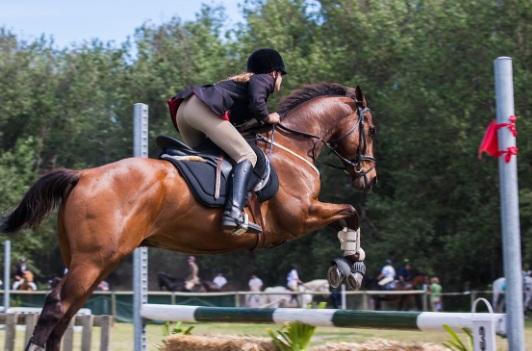
Early successes in young horses do more than inform training—they ripple into the digital space. Online handicapping platforms now track two-year-old race data, timed gallops, and early training metrics to build predictive models. Horses with consistent improvement or early victories often rank higher, affecting betting behaviour and market interest. These platforms rely on a combination of raw data and subtle trends, including behavioural responses during races, stride consistency, and recovery after exertion.
A small, naturally integrated list highlights the factors online handicappers may consider:
- Race performance history: Evaluates reliability and competitiveness.
- Training metrics: Stride length, acceleration, and endurance.
- Temperament under pressure: Assesses how the horse may perform in high-stakes scenarios.
The path from paddock to grandstand is both intricate and captivating. Every stage—from breeding, early selection, breaking, and initial training to professional racing and data-driven planning—requires careful observation, patience, and expertise. Small early decisions ripple throughout a horse’s career, influencing physical development, public engagement, and even the digital handicapping landscape. Watching a young horse grow into a confident competitor is witnessing a delicate interplay of science, intuition, and artistry. This journey underscores why horse racing is as much about skilful preparation and strategic planning as it is about speed and endurance on race day. For trainers, owners, and fans alike, the excitement lies not only in the final outcome but in every gallop, stride, and measured step along the way.