


In modern British racing, many decisive performance indicators emerge long before the gates open or the starting tape rises. Paddock condition reports have become an essential layer of analysis, offering insights that raw statistics and historical form cannot fully capture. They focus on the immediate realities of race day: how the ground is actually riding and how each horse is physically and mentally responding to those conditions. When combined, these observations often explain unexpected results far more convincingly than post-race narratives.
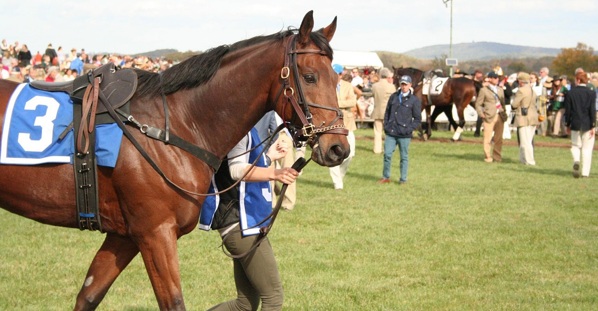 At their most effective, paddock reports bridge the gap between theory and reality, providing context that traditional form analysis alone often fails to capture. A horse may appear well handicapped on paper, but if the surface does not suit its action or it shows signs of tension or discomfort in the paddock, its chance is materially reduced. For this reason, many experienced bettors go beyond racecards and statistics, combining observational insight with market analysis, and punters using trusted UK betting sites often consider paddock reports alongside form guides to make more informed betting decisions. By aligning real-time paddock intelligence with odds movement and historical data, bettors can better assess risk, value, and genuine race-day potential, particularly in competitive UK racing environments where small margins make a decisive difference.
Why Official Going Descriptions Rarely Tell the Full Story
Understanding paddock and track reports begins with recognising the limitations of the official going description. Labels such as “good” or “good to soft” provide a necessary baseline, but they rarely tell the full story of how a surface will ride during a race. Ground conditions can change significantly over the course of a meeting due to weather shifts, watering patterns, or cumulative wear from earlier races. These changes often occur unevenly across the track, creating subtle but important variations that influence performance.
Racecards on platforms such as At The Races help contextualise these variables by displaying not only the going but also weather conditions and the timing of the most recent update. This information becomes particularly valuable when temperatures rise, winds dry exposed areas, or rainfall alters moisture levels between races. Without this context, reliance on static going descriptions can lead to misjudged expectations.
Measuring the Ground: Data, Interpretation, and Limitations
Objective tools like the GoingStick offer a more technical perspective on track conditions. As explained by Racing Post, the device measures both penetration and shear, providing insight into how firm the turf is and how much resistance it offers under pressure. Readings are taken at multiple points around the course and averaged to produce a numerical representation of the ground.
However, Racing Post also highlights a key limitation of these measurements. The same GoingStick reading can correspond to different going descriptions depending on the racecourse, soil composition, drainage, and recent weather patterns. This lack of universal comparability means that numerical data alone cannot fully describe how a surface will ride, reinforcing the importance of experienced observation and paddock-based interpretation.
How Ground Variations Influence Race Dynamics
One of the most revealing aspects of paddock condition reports is their focus on variation rather than uniformity. Even when the official going appears consistent, certain sections of the course may ride faster or slower than others. Bends, rail-side strips, and areas exposed to sun or wind often behave differently from the rest of the track, influencing balance, stride length, and tactical positioning.
Moisture distribution adds another layer of complexity. On drying days, the surface may appear forgiving on top while concealing a holding or tacky base beneath. This combination can sap energy and disrupt rhythm, particularly for horses with long, low actions. Conversely, evenly balanced moisture can enhance grip and allow horses to travel smoothly and quicken more effectively, favouring runners with a sharper turn of foot.
Reading the Horse: Physical and Mental Indicators in the Paddock
While surface conditions set the framework, the horse’s presentation in the paddock often provides the clearest indication of likely performance. Observers pay close attention to movement, looking for fluidity through the shoulder, symmetry in stride, and strength from behind. Horses moving freely and confidently are generally better equipped to cope with demanding ground or sudden changes in pace.
Mental composure is equally informative. Ideally, a horse should appear alert yet relaxed, conserving energy and responding calmly to its surroundings. Excessive agitation, pronounced sweating, or an inability to settle can indicate stress, which often translates into inefficient energy use during the race itself. These behavioural cues are particularly valuable when assessing lightly raced horses or runners returning from a layoff.
How Trainers and Jockeys Apply Paddock Insights on Race Day
For racing professionals, paddock and ground assessments are not abstract observations but practical tools that shape race-day decisions. Trainers routinely walk the course and monitor conditions throughout the meeting, sometimes choosing to withdraw horses if the surface becomes unsuitable. Horse & Hound has consistently highlighted the risks associated with firm ground, particularly its long-term impact on equine soundness, explaining why welfare considerations frequently override short-term opportunity.
Jockeys rely on the same information to refine tactics, adjusting pace expectations, positioning, and the timing of challenges. When the ground rides slower than anticipated, patience and stamina are often rewarded. On quicker surfaces, tactical speed and decisive acceleration become more influential. These subtle adjustments, informed by paddock insight, frequently determine the outcome of closely contested races.
When integrated carefully with traditional form analysis, paddock condition reports provide a grounded perspective on race-day realities. Their greatest value emerges when surface observations and horse behaviour align with known preferences and historical performance patterns. When signals conflict, they introduce uncertainty that must be weighed rather than ignored. By revealing how the ground is truly riding and how horses are responding in the moment, paddock reports help explain why form sometimes holds and why, just as often, it does not, offering one of the clearest windows into a horse’s genuine chance before the race is run.